
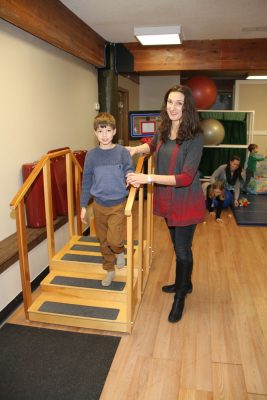
LLA Therapy’s skilled team of physical therapists work with children and educate their families to assist them in reaching their maximum potential in motor performance and to promote safe, functional independence when navigating their environments at home, school, and in the community.
Together, we will create specific goals and collaborate to reach them through detailed evaluation and consistent therapy. Our therapists can help children minimize the effect injuries, disease, or developmental disabilities have on a child’s ability to function.
Additional Physical Therapy Information
Physical Therapists Help:
- Promote independence
- Increase active participation
- Facilitate motor development/function
- Improve flexibility, strength, endurance
- Manage pain
- Enhance motor learning
- Improve sensory regulation/integration
- Improve balance and coordination
- Ease the challenges of daily care giving
- Provide support, advocacy, and resources to patients and their families
- Promote health and wellness
Common Diagnoses
- Neuromuscular (cerebral palsy, spina bifida/myelodysplasia, muscular dystrophy, spinal muscle atrophy, stroke)
- Impaired muscle tone (hypotonia, hypertonia, spasticity, athetoid, dystonia)
- Seizure disorder/epilepsy/infantile spasm
- Developmental (delayed development, prematurity)
- Genetic disorders (Down Syndrome, Prader Willi, septo-optic dysplasia, OI osteogenesis imperfecta, Pierre Robin, Klinefleter, Angelman, etc)
- Developmental orthopedics (hip dysplasia, flat feet/ankle pronation, in-toeing, metatarsal adductus, club feet, neuromuscular scoliosis, toe walkers)
- Torticollis/plagiocephaly
- Movement disorders (ataxia, dystonia, cerebellar, athetoid, chorea)
- Stable congenital heart/pulmonary conditions
- Mitochondrial disorders
- Sensory dysfunction (proprioception, vestibular)
- General fitness
- Balance/coordination problems
- Torticollis – tilt and/or rotation of the head due to shortening of one side of the neck muscles
For information on appointments, insurance, office policies, and more, visit the Patient Information section of our website.
Related Articles

2022 Holiday Gift Guide
Match-Up Memory Snack Tray Find it here Although it is advertised as a snack tray…

Your Frequently Asked Questions about Physical Therapy Answered!
A Q&A with of our Physical Therapists, Brittany Q: What is Pediatric Physical Therapy? A:…

Decoding Norm-Referenced Assessments
When a child is referred for evaluation in the schools or as new client in…